
Whoa!
Using crypto wallets can feel strangely personal and technical at once.
Most folks want speed, trust, and a clean interface that doesn’t confuse them.
Over the last few years I watched wallets move from clunky, nerdy tools to slick browser extensions that actually respect users’ attention and time, and that shift matters because adoption hinges on both design and trust.
Here’s what bugs me about bad wallets—they look great, but they often hide crucial security tradeoffs.
Really?
Yes—it’s true that design can mask risk when teams prioritize growth over safety.
On the other hand, some projects obsess about security to the point of making simple tasks painful.
Initially I thought more security always meant less adoption, but then I realized thoughtful UX can deliver both safety and ease, which is the sweet spot for mainstream users who want to use NFTs or DeFi without feeling like they need a CS degree.
I’m biased, but simplicity with transparent controls wins for everyday usage.
Hmm…
Phantom on Solana nails that sweet spot better than most competitors, in my view.
It balances fast transactions, clear permissions, and an interface that feels modern and friendly.
Okay, so check this out—if you install a browser extension that behaves like a tiny app sitting in your toolbar, you reduce context switching and friction, which tends to make people actually try DeFi features rather than abandoning them out of confusion.
That small detail changes how often people engage with NFT drops and staking opportunities.
Here’s the thing.
Wallets fall into a few practical categories: custodial (third party holds keys), noncustodial (you hold your seed), and hybrid models with cloud backups.
Each has tradeoffs for convenience, security, and recovery, and users need simple ways to understand those tradeoffs without jargon.
On mobile, I like having the Phantom app synced with the browser extension, because quick QR pairing and push notifications make signing transactions feel native, almost like using a banking app rather than a disjointed crypto tool that lives in a separate world.
Still, never store large amounts in hot wallets if you can help it.
Whoa!
DeFi interactions are different beasts than NFT galleries, though they share the same wallet plumbing.
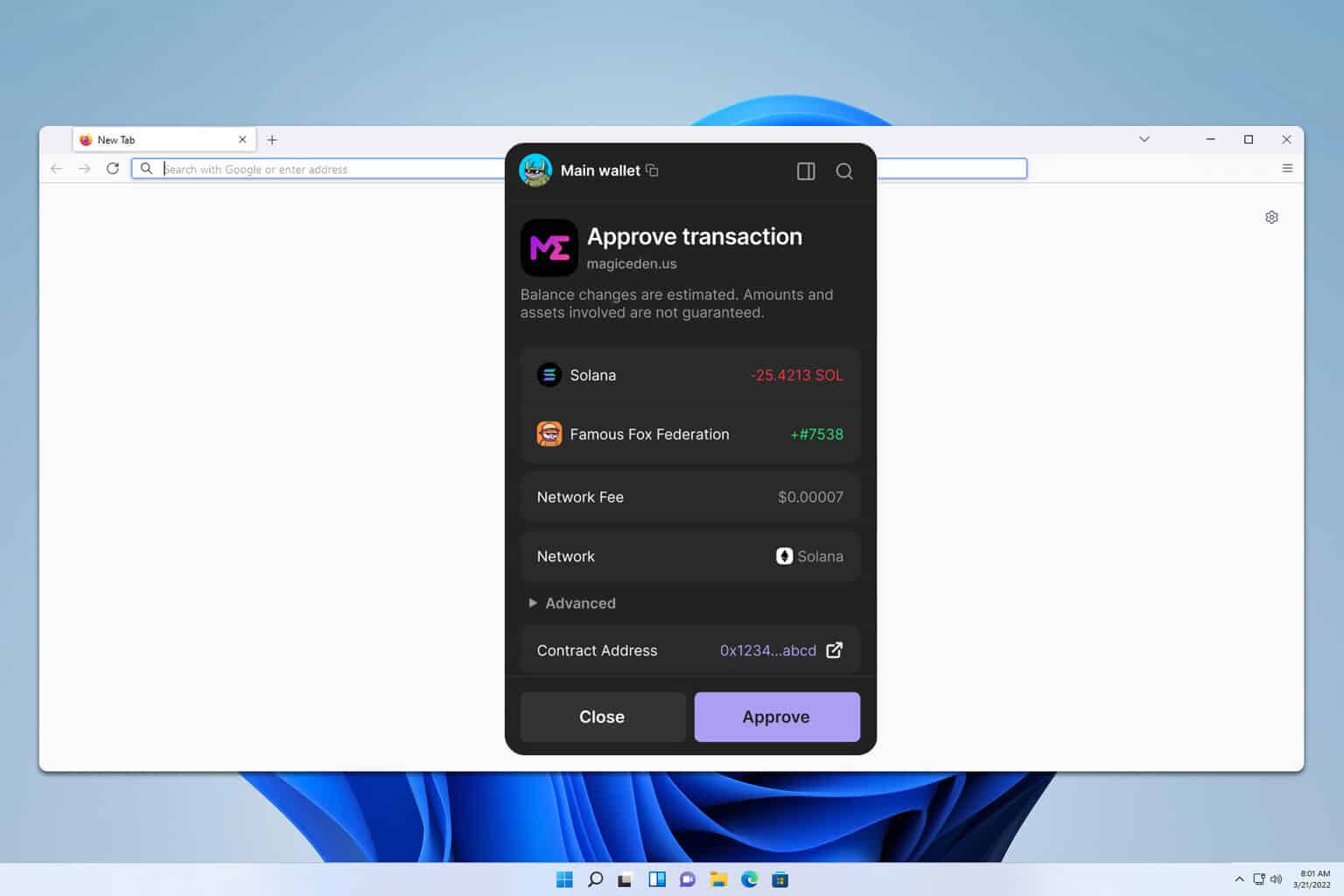
When you connect to a DEX or an AMM, you’re granting transaction permissions and that needs careful prompting and confirmation flows.
My instinct said treat every approval like a financial signature—double-check the amount, the token, and the contract—because once you hit approve, somethin’ irreversible just happened on-chain and your recourse is limited.
This is why permission granularity matters a lot.
Really?
Yes, and good extensions surface contract details without overwhelming users.
They make gas fees and slippage visible, suggest sane defaults, and let advanced users dive deeper if they want to audit things manually.
Actually, wait—let me rephrase that: the best UX gives both quick decisions for newcomers and depth for power users, so design should be layered rather than binary in capability and presentation.
That layered approach avoids scaring off new users while giving pros the tools they need.
Hmm…
Security best practices are obvious but often mishandled: seed phrases should be treated like cash, hardware wallets are a gold standard, and phishing remains the top attack vector.
I’m not 100% sure that everyone will adopt hardware wallets, though the ones who care about big balances usually do.
On Solana, Ledger support in browser extensions combined with a polished UI creates a near-ideal combo for serious users who still want convenience for daily interaction, especially when bridging between NFT marketplaces and DeFi protocols takes just a click or two.
Don’t ignore recovery plans; otherwise you’re trusting chance and hope.
Here’s the thing.
Phantom’s extension ecosystem shows how browser wallets can integrate with NFT marketplaces, staking interfaces, and swap tools without breaking flow.
I’ve used it to accept NFTs, list items, and stake SOL in the same session without feeling like I left the app world.
For readers who want to try it, you can get the official plugin via this page—phantom wallet download extension—and pair it with a Ledger if you want extra security, or use the mobile app for on-the-go approvals.
Be mindful: only download extensions from verified sources and double-check browser store listings to avoid impostors.
Whoa!
UX quirks still annoy me—too many popups, unclear permission labels, and tiny type for contract addresses.
Designers should assume most users skim and act quickly, which means clear, human-readable confirmations and optional advanced detail toggles are necessary.
On the flip side, developers must resist oversimplifying to the point of hiding risk information, because that creates a false sense of security and can lead to costly mistakes when interacting with novel DeFi contracts.
Good defaults plus progressive disclosure is the pragmatic path forward.
Really?
Yes—the ecosystem benefits when wallets and dApps co-design flows with user psychology in mind.
For example, showing the receiving address as a verified ENS-like name or a shortened checksum can reduce errors and boost confidence when sending NFTs or tokens to other users.
On Solana, similarly helpful design cues—like token logos, clear amount breakdowns, and estimated final balances—prevent a lot of “oops” moments that otherwise become help tickets or worse.
Small clarity wins compound fast.
Here’s the thing.
Developers also need to build better educational tooling into wallets; contextual micro-lessons during first-time flows help a lot.
I remember how awkward my first NFT purchase felt—the gas, the wallet window, the approvals—but a short guided checklist in the extension would have prevented my fumbling and increased confidence.
On the subject of trust, community audits, bug bounties, and transparent roadmaps are powerful social proofs that make extensions feel safer, especially for newcomers wary of scams and rug pulls.
So yes, transparency is not just moral—it’s strategic.
Practical tips for choosing and using a Solana browser wallet
Okay, so check this out—pick a wallet that gives you clear recovery options, hardware integration, and sensible permission prompts, and practice with small amounts first, because learning by doing (with low stakes) is the fastest teacher and it beats fear-driven paralysis every time.
FAQ
Is a browser extension safe for NFTs and DeFi?
Short answer: yes, if you follow basic precautions—use official extensions, enable hardware wallets for large holdings, verify dApp domains, and keep seed phrases offline; long answer: browser extensions are convenient and secure enough for everyday activity, but for long-term storage of high-value assets consider cold storage solutions and regular security hygiene.
Should I use the mobile app or the extension?
Both—use the extension for desktop workflows and the mobile app for quick approvals and on-the-go interactions, and sync them when the wallet supports pairing, because that gives you flexibility without sacrificing continuity.